The fantasy and the world
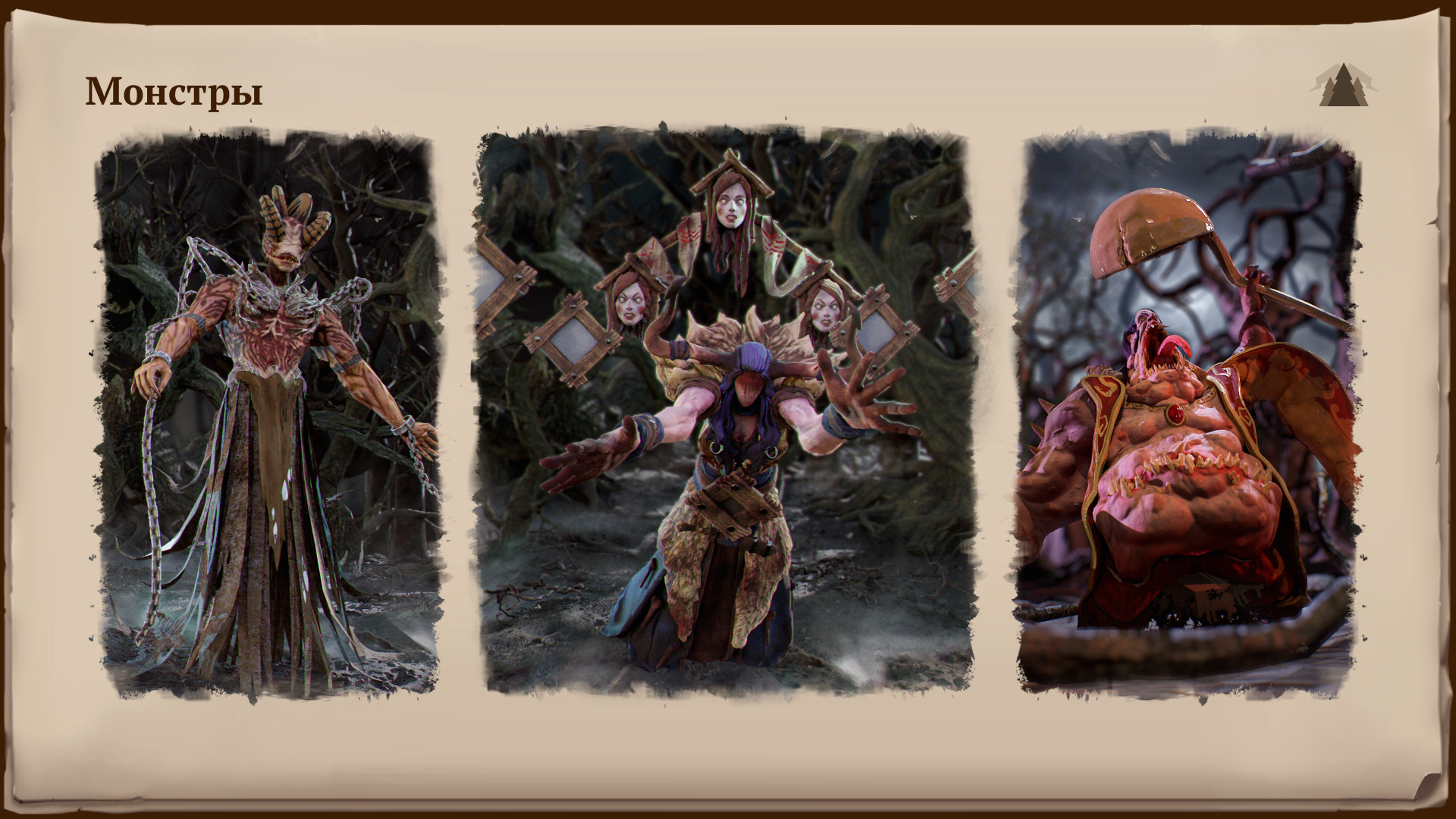
Night is Coming began with a simple, heavy premise: a settlement standing alone against a spreading dark. We describe it as a strategy with a simulator of survival, building and growth, set in a fantasy world inspired by Slavic mythology and the mysticism of the Carpathian region. The genre sits where a 3D city builder, a survival game and an RTS overlap. The setting is Slavic fantasy — leshys, nature spirits, and volkolaks pulled from folklore — laced with more classical fantasy figures such as the Barons of Passions and the Dark Prince, Velimir.
The story gives the dark a face. Prince Velimir was once known as a kind ruler and a defender of his people, but age turned him cruel and paranoid. His heart hardened until, in a moment of clarity, he tore out his own blackened heart. It did not grant him an easy death: there was so much darkness in it that it began to live on its own, taking him over, then creeping across his land — twisting living creatures, nature itself, and driving people mad. You play the ruler of a settlement, tasked with sheltering as many survivors as you can and preparing them to face the Darkness and save the human race.
Shelter as many survivors as you can, and prepare them to face the Darkness — or watch them become part of it.
The pillars: build, survive, defend
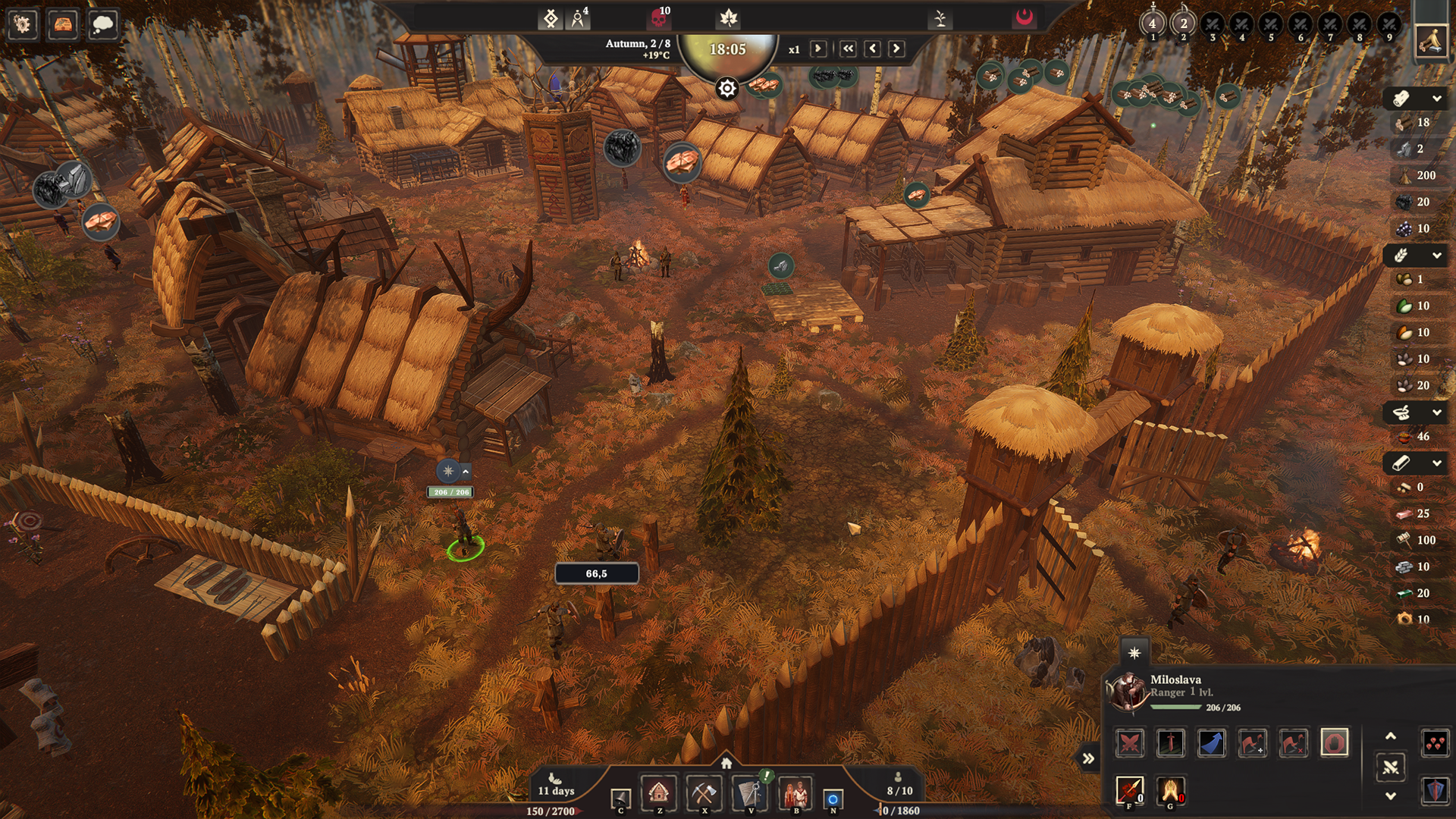
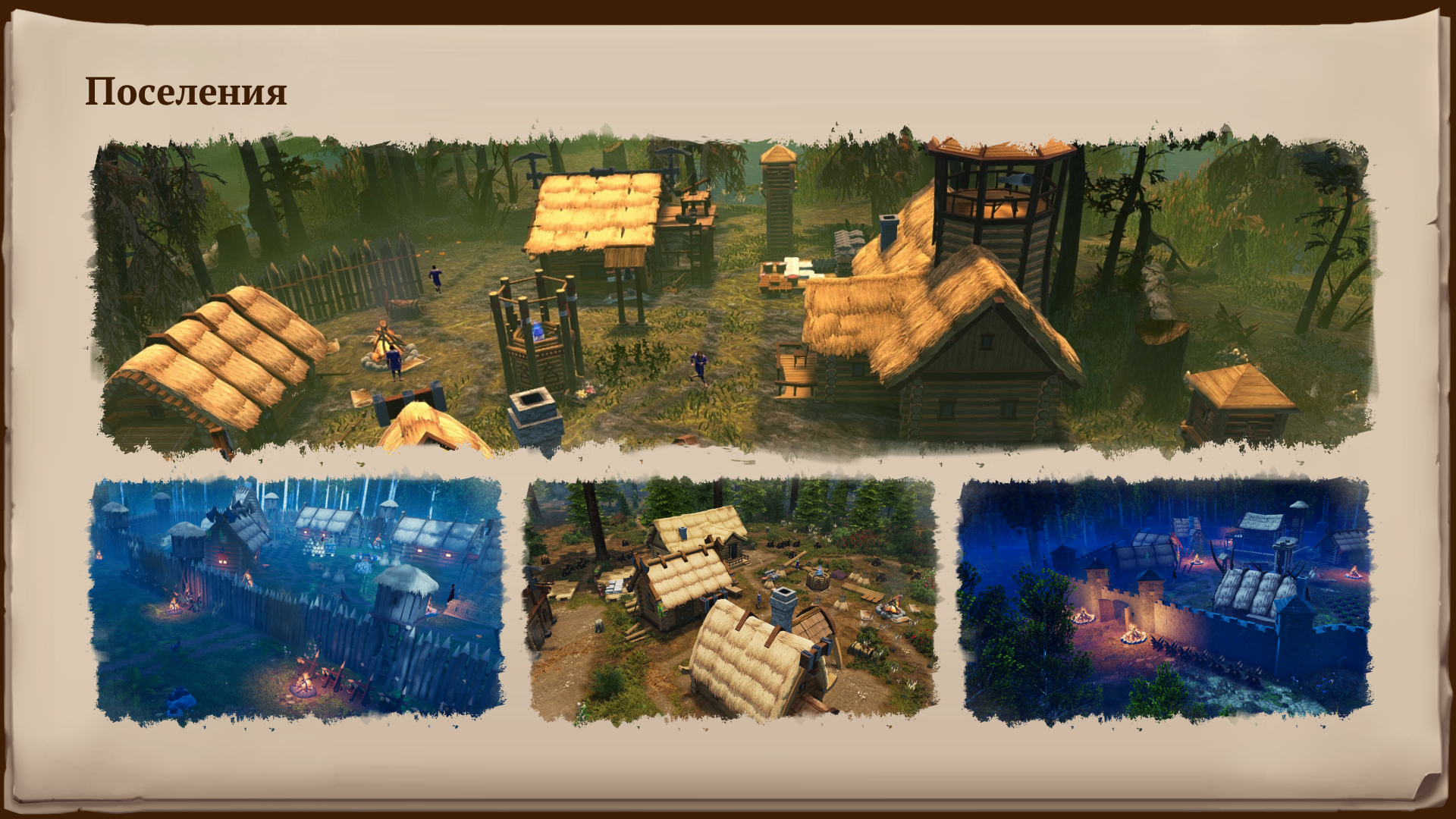
On each map you start at the center, beside an Altar — the heart of the settlement, where the people's Spirit is stored and replenished. From there the loop is clear: build the village, set up resource gathering from common to rare, raise a defense against the attacks, and keep your settlers fed, rested and warm. The single goal that frames the whole world is to survive one in-game year and defeat the final boss; after that, an endless mode invites you to keep playing against ever-rising difficulty.
Time is the pressure. The clock moves through months, days and hours, and on it hang the day-night cycle, the settlers' sleep, the seasons, and the raids — which always come at night, so day is for rebuilding and growing. Four seasons cycle from spring (the easiest start) toward winter, the endgame peak. Temperature falls toward the end of the year and chills your settlers, slowing their work. Above it all sits the Darkness: a scale, locked to the game timer, that governs the spawning of the most dangerous enemies, the scaling of enemy strength, and catastrophic weather. It is both the difficulty dial and a visual record of how far you have come and what still waits ahead.
Spirit, masters and the choices that define a people
Two systems give the survival its identity. The first is Spirit — a resource generated by the settlers, who gather at the Altar each day after sleeping and offer Spirit according to their mood. You spend it to cast magic and to draw new settlers to the village. The second is the Masters: directly controlled heroes who level up, carry active abilities and upgradeable gear, and act as a mobile support force, reinforcing weakened parts of the defense and scouting for resources while the buildings carry the main weight of holding the line.
Beneath all of it runs a question of identity. We designed a path of light or darkness: depending on the choices you make, your settlers either defeat the evil or become an inseparable part of it. Lore objects — totems, shrines, old manuscripts, burial sites and the traces of settlers who came before — let you uncover the past and unlock new sources of power, while a bestiary fills in the creatures your warriors face. The dark age is the setting; what your people become when it presses in is the game.
What we built
- Defined the core fantasy: a 3D city-builder / survival / RTS where you defend a settlement through a long, darkening year
- Wrote the setting and story — Slavic-folklore fantasy and the fall of Prince Velimir, whose torn-out black heart spreads the Darkness across the land
- Built the Altar as the heart of every settlement: it stores the people's Spirit and, if destroyed, ends the run
- Designed Spirit as a unique resource — generated by settlers at the Altar, spent on magic and on drawing new settlers
- Set the survival goal and pressure systems: survive one in-game year and beat the final boss, with the Darkness scale tied to the timer driving enemies, weather and difficulty
- Created Masters — controllable hero units that support the defense and scout — and a light-or-dark path that decides whether the settlers beat the evil or join it
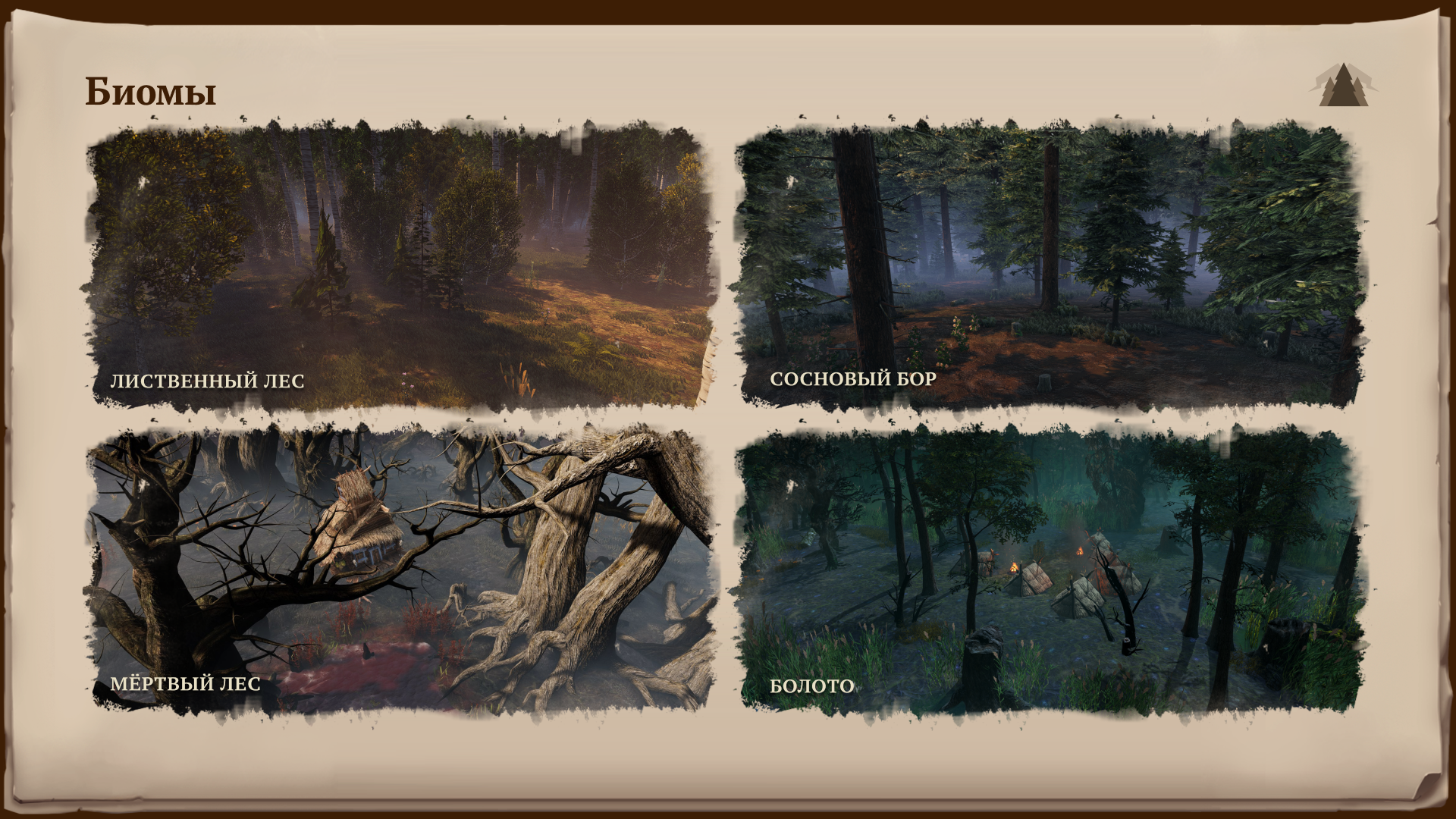
- Established four seasonal biome maps (Greenwood, Pinewood, Swamp, Dead Forest), each a fresh start with shared progression but distinct weather, geometry and threats